
Boosting Productivity for Psychology Students with Parallel Work Sessions
Let’s be honest, being a psychology student is no joke. Between endless lectures, research assignments, exam prep, and trying to figure out life, staying productive can feel impossible. You sit down to study and… 30 minutes later, you’re scrolling social media or staring blankly at your notes. Sound familiar?
This is where Psych Co-Working steps in with a game-changing solution: virtual parallel work sessions. Unlike traditional study methods, these sessions leverage the science of body doubling, essentially, having others “work alongside you” online to boost focus, reduce procrastination, and help you actually get things done.
Whether you’re powering through a dissertation, prepping for an exam, or trying to meet research deadlines, these sessions are designed to make every minute count.
What Are Parallel Work Sessions?
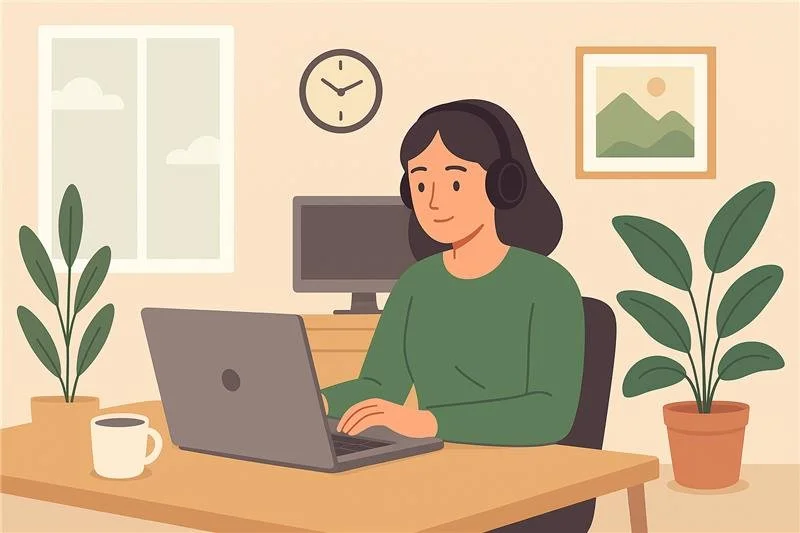
Think of parallel work sessions as a modern twist on group study, but without distractions or small talk. You log in to a virtual space and work alongside peers who are also focused. Everyone is tackling their own tasks, but just knowing others are there keeps your brain in “productive mode.
Here’s how they work:
Real-time peer presence: You’re not alone. Seeing others work triggers a subtle psychological effect that helps you stay on task.
Structured time blocks: Work sessions are divided into focused intervals with breaks to recharge.
Goal sharing and accountability: At the start, you set your goals; at the end, you reflect on what you accomplished.
Community support: The group includes other psychology students who understand the unique challenges of your field.
It’s simple, flexible, and surprisingly effective.
Why Psychology Students Thrive with Parallel Work
1. Focus Like Never Before
It’s amazing how much easier it is to stay concentrated when you know someone else is working at the same time. Even if your classmates aren’t helping you directly, their presence alone can keep you from checking your phone every five minutes.
2. Say Goodbye to Procrastination
Procrastination isn’t laziness—it’s usually a mix of overwhelm and lack of accountability. Parallel work sessions create gentle social pressure, nudging you to start tasks and stick with them. It’s like having a study buddy who actually shows up.
3. Flexibility That Fits Your Life
Psychology students juggle a lot—classes, internships, part-time jobs, and research projects. Psych Co-Working’s virtual sessions are designed to fit your schedule, so you can hop in from anywhere, anytime, without the stress of commuting or rigid timings.
4. Achieve Your Goals Faster
Setting clear objectives at the beginning of each session keeps you on track. By the time the session ends, you’re not only done with your work block—you’re building a habit of consistent productivity. Over time, small wins like these snowball into major academic progress.
Extra Support to Level Up Your Productivity
Psych Co-Working isn’t just about parallel work sessions. They also provide:
● Dissertation support: Get guidance, accountability, and structured sessions to push through even the toughest parts of your research.
● Exam prep coaching: Focused study blocks and strategic planning to help you retain more, stress less, and feel ready on exam day.
● Business and practice coaching: For those looking to start a therapy practice or enhance their professional skills, specialized sessions give you guidance and accountability.
These services complement the parallel work sessions, creating a comprehensive support system for psychology students at every stage of their academic journey.
How to Make the Most of Parallel Work Sessions
Set clear, achievable goals for each session. Don’t just say, “I’ll study.” Specify what you’ll accomplish.
Minimize distractions: Using headphones, creating a quiet environment, and turning off notifications can make a huge difference.
Follow the structured time blocks: Work hard, take breaks, repeat. Your brain actually retains more this way.
Engage with the community when needed: Ask questions, share progress, or celebrate small wins.
Reflect on achievements: At the end, review what you completed and adjust your next session accordingly.
By following these steps, you’ll notice a significant increase in productivity and a decrease in stress levels.
The Science Behind Body Doubling
Body doubling isn’t just a buzzword. Studies show that the mere presence of another person—even virtually—can increase focus, motivation, and task completion rates. It works for psychology students because it leverages social accountability and environmental cues to reduce distractions.
Psych Co-Working applies this principle through carefully timed virtual sessions with like-minded peers, creating a sense of shared purpose that keeps students on track.
Real Results From Students
Students who consistently participate in parallel work sessions report:
Higher productivity and task completion rates
Reduced procrastination and stress
Improved focus during long study periods
A stronger sense of community and professional support
It’s not just about checking off tasks—it’s about building lasting study habits and confidence in your academic abilities.
Being a psychology student is demanding, but staying productive doesn’t have to be a struggle. With Psych Co-Working’s virtual parallel work sessions, you get structure, accountability, and the subtle motivation of peers working alongside you. Combine that with dissertation support, exam coaching, and professional guidance, and you’ve got a system designed to help you succeed academically and professionally.
Stop staring at your notes and start achieving your goals today. Join Psych Co-Working and see how parallel work sessions can transform your productivity, focus, and confidence as a psychology student.
